Expert Asphalt Sealcoating and Pavement Sealing in Sacramento, CA
What Sets Our Sealing Team Apart
We come prepared
Every job starts with a full inspection. We look at the condition of the surface, the cracks, and the oil stains before we quote anything.
We are licensed and insured
Our team works under full California contractor licensing. Your property is covered from start to finish.
We give straight prices upfront
We walk your property and write down exactly what is needed and what it costs. You see the full price before we start.
We use commercial materials
We do not use the same thin sealers sold at home improvement stores. We apply commercial-grade asphalt emulsion sealer, hot-pour rubberized crack sealant, and slurry seal mixes.
We prep the surface correctly
We clean every inch of the pavement before applying anything. Motor oil stains are treated first so the sealer bonds to the surface properly.
We back our work.
If you see a problem with our results, we return and fix it at no charge.
Our Asphalt Sealing Services
Surface Preparation and Pavement Cleaning
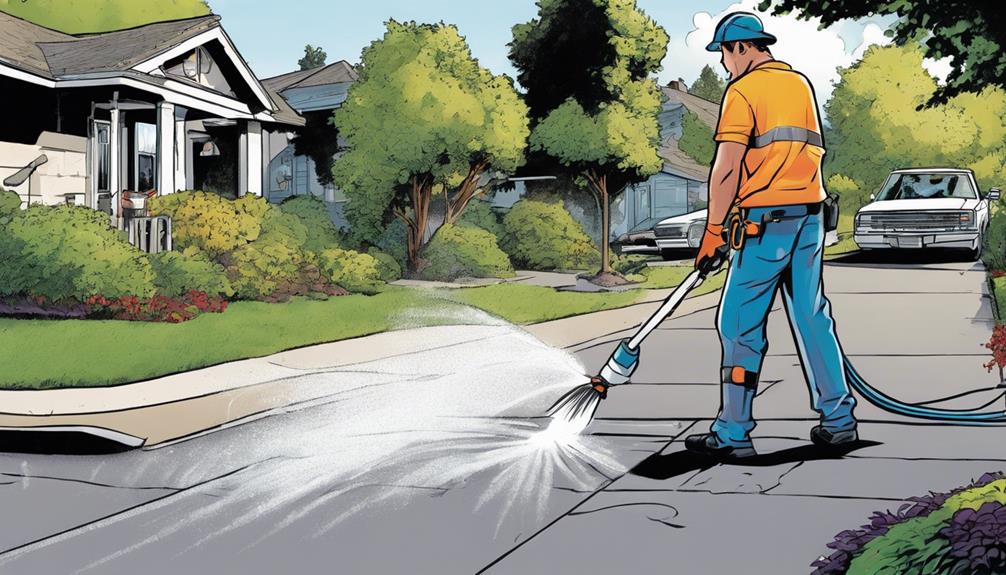
No sealcoat or slurry seal will last unless the surface is clean. Surface adhesion depends entirely on removing every contaminant before we apply any material. First, we blow away all pavement debris, loose stone aggregate, and weed growth from cracks and edges. Next, we power-scrub fuel stains, motor oil deposits, and tire rubber marks. Then, we apply an oil-spot primer over every contaminated zone. This primer coat stops the petroleum residue from migrating up through the fresh asphalt emulsion sealer and causing delamination of the new coat.
Hot-Applied Asphalt Crack Sealing
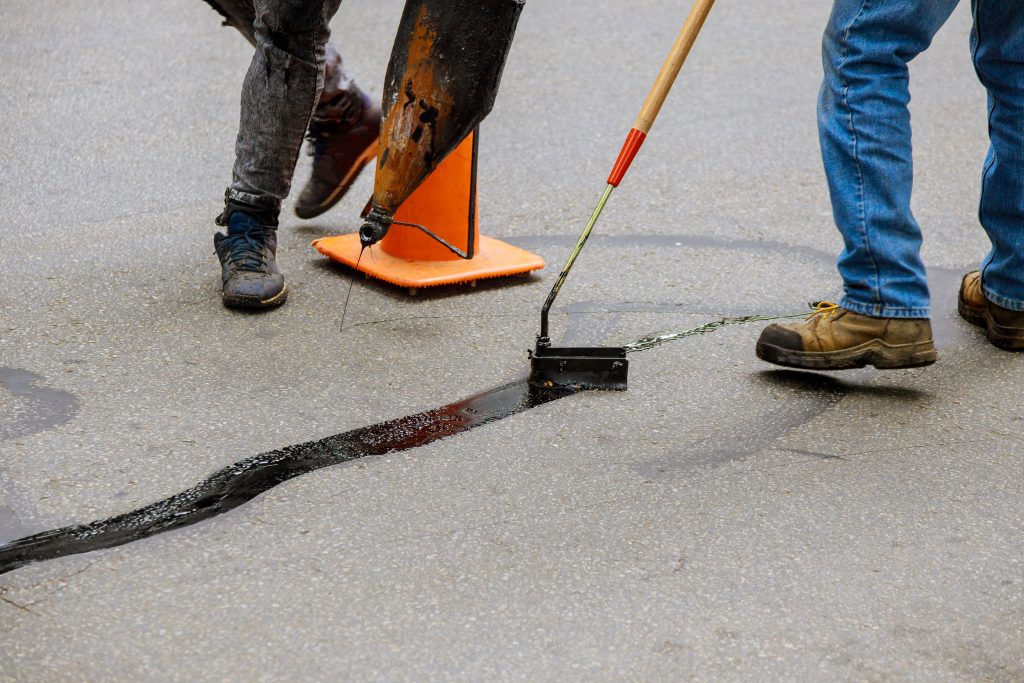
Open pavement joints and longitudinal cracks allow water to travel down into the compacted sub-base below. We close those gaps before water causes sub-base erosion or base course settlement. First, we use a crack router to clean and widen each surface crack so the filler can bond properly. Next, we heat a hot-pour rubberized crack sealant to a fluid state. Then, we pour the sealant directly into each crack channel. The rubberized filler bonds to both walls of the crack. Also, the flexible polymer binder allows the fill to move with pavement thermal expansion and thermal contraction so it does not pull open again during temperature shifts.
Slurry Seal and Emulsion Aggregate Overlay
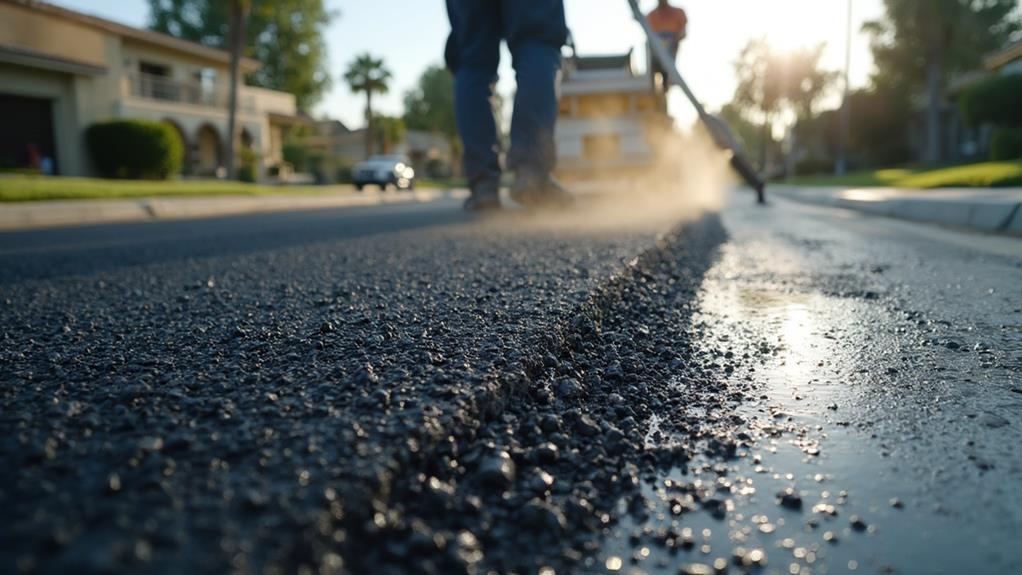
A slurry seal is a heavier treatment than standard sealcoating. It is the right option when your pavement surface has lost its aggregate texture, shows surface oxidation, or has many small map cracks and hairline fractures. We blend asphalt emulsion, fine aggregate gradation, portland cement filler, and water to create a uniform slurry mixture. Next, we spread the emulsion slurry evenly over the surface using a spreader box. The thick aggregate slurry coat fills surface voids, raveled sections, and shallow cracks. When it cures, it forms a hard, skid-resistant wearing surface that stops water infiltration and restores a clean, dark appearance.
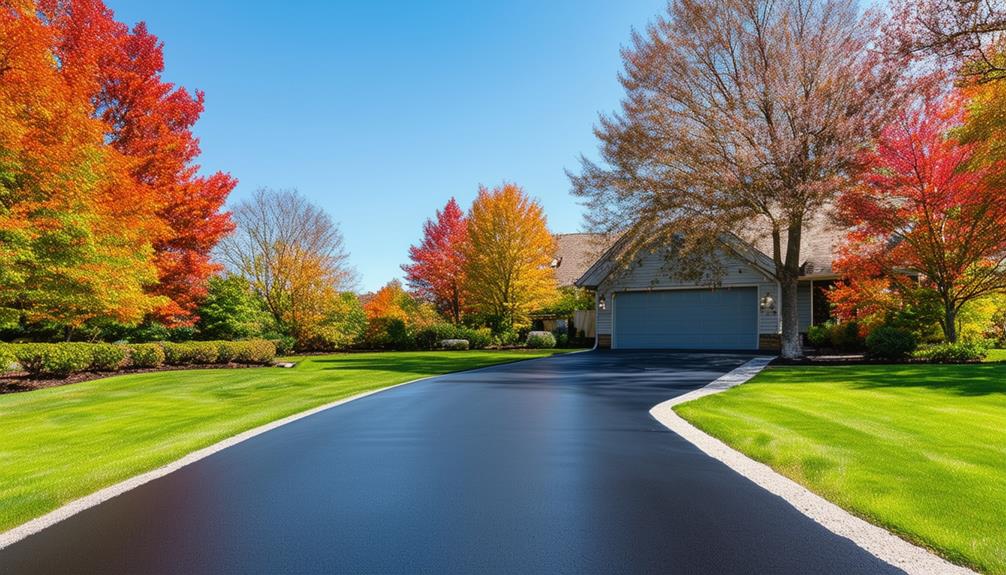
Driveway and Parking Lot Sealcoating
This is our most requested service for both residential and commercial properties. We apply a fresh coat of asphalt emulsion sealer over the prepared pavement surface. First, we use a mechanical blower to clear all loose debris and fine aggregate dust from the area. Next, we treat any motor oil stains with an oil-spot primer so the sealer bonds correctly. Then, we apply the sealcoat using either squeegee application or spray application, depending on the size and texture of the surface. The emulsion binder fills the surface micro-pores in the asphalt wear layer. Also, it creates a shield against UV oxidation, freeze-thaw cycles, and petroleum solvent spills that break down the liquid asphalt binder beneath. This keeps the pavement surface course flexible and resistant to surface cracking and pavement raveling for years.
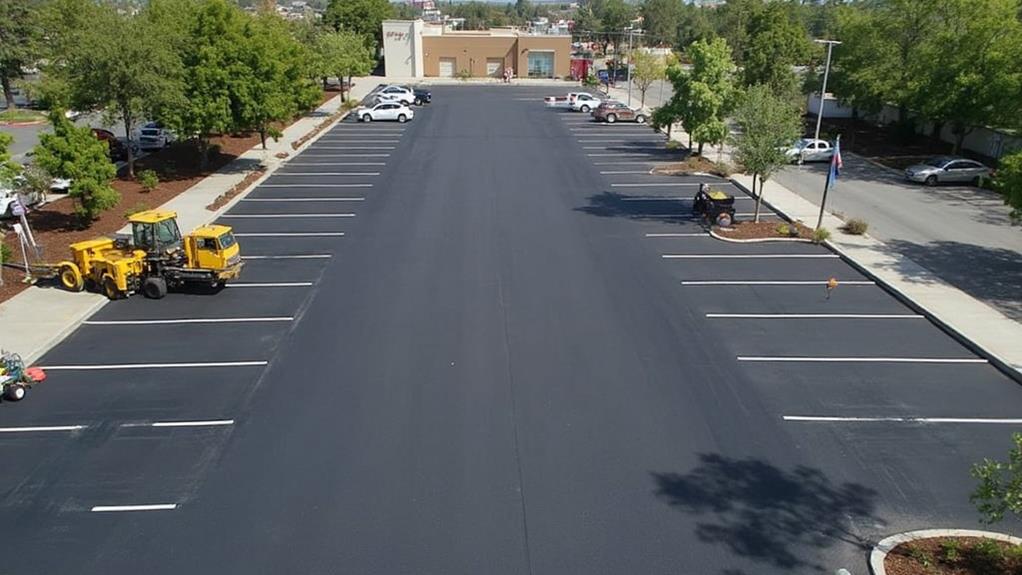
Parking Lot Line Striping and Pavement Markings
After the sealcoat or slurry coat has cured, your parking area needs fresh markings. Old pavement markings fade under the new dark surface. First, we let the asphalt emulsion cure fully. Next, we use a line striping machine to paint new parking stall lines, directional arrows, fire lane borders, and pedestrian crosswalk markings using durable traffic paint. Also, we mark ADA-compliant stalls with the correct dimensions, access aisle widths, and international symbol of access to keep your property compliant with local code and California ADA requirements.
Our Asphalt Sealing Process: Step by Step
Free Site Inspection
We start by visiting your property at no charge. We walk the full pavement area and look for active longitudinal cracks, alligator cracking, pavement raveling, oil stains, and soft spots. This tells us which services are needed and in what order.
Surface Clearing and Blowing
Before any work begins, we remove all loose material. We use a mechanical blower and rotary brush to clear pavement debris, weed growth, and loose stone aggregate from the entire area, including all crack channels and edges.
Oil Stain Priming
Motor oil and fuel dissolve asphalt emulsion sealer. We scrub every oil spot and treat it with a dedicated oil-spot primer. This creates a clean bonding surface and stops the stain from bleeding through the new coat.
Crack Routing and Sealing
We clean out every open surface crack and pavement joint. Next, we pour heated hot-pour rubberized crack sealant into each gap. We let the crack filler cool and cure flat before moving on.
Sealer or Slurry Application
Depending on the condition of your surface, we apply either a sealcoat layer using spray application or squeegee application, or a full slurry seal mix for heavily worn surfaces. We apply it in a uniform layer at the correct spread rate to achieve proper surface film thickness.
Curing and Traffic Control
Curing and Traffic Control. We place cones and signage around the fresh pavement surface. For standard sealcoating, we ask that no vehicles or foot traffic touch the area for 24 to 48 hours. Longer curing is recommended during Sacramento's hot summer months.
Line Striping (If Applicable)
Once the blacktop sealer has cured fully, we apply new parking stall lines, fire lane markings, directional arrows, and ADA stall designations using durable traffic paint.
Final Walk-Through
We inspect the finished surface with you before we leave. We check for any missed spots, uneven areas, or unmarked zones. If anything needs a touch-up, we handle it on the spot.