Reliable Blacktop Crack Repair and Pavement Patching Services
What Makes Our Repair Team the Right Choice
We inspect before we quote
We never guess at a price over the phone. We come out, look at the damage, and write you a clear, detailed estimate at no charge.
We are licensed and insured in California
Every repair we carry out meets state standards. Your property is covered throughout the entire project.
We give you one price upfront
The price you see on your estimate is the price you pay. There are no add-ons after we finish.
We only use commercial materials
Home improvement store products are made for temporary fixes. We use commercial hot-mix asphalt, hot-pour rubberized crack sealant, and aggregate base rock on every job.
We account for Sacramento's clay soils
Clay ground shifts when it gets wet. This is one of the main reasons pavement fails early in Sacramento. We stabilize the base beneath every patch to prevent repeat failures.
We fix our work
If a repair we completed fails within the normal workmanship period, we return and correct it at no cost to you.
Our Pavement Repair and Maintenance Services
Hot-Applied Asphalt Crack Repair
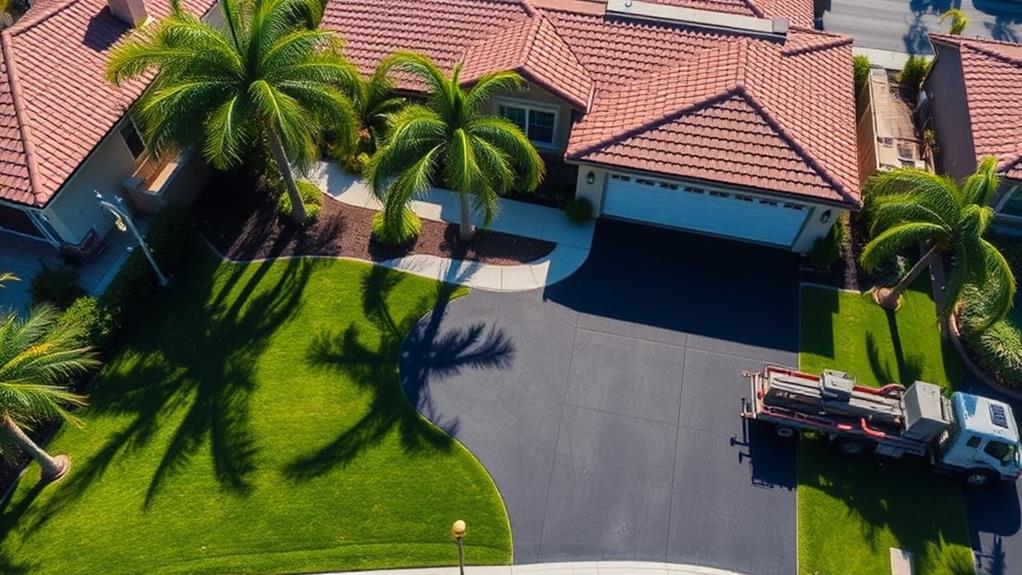
Open surface cracks are the starting point for almost every pavement failure. We close them before rainwater gets inside. First, we clean all loose rock, weeds, and debris out of each crack using a blower and wire brush. Next, we route the crack to open up clean, solid edges on both sides. Then, we heat a hot-pour rubberized crack sealant and pour it directly into the crack channel. The rubberized polymer binder fills the gap completely. Also, it flexes with pavement thermal expansion in summer heat and thermal contraction in cold weather so the seal does not pull apart over time.
Pothole Repair and Structural Patching
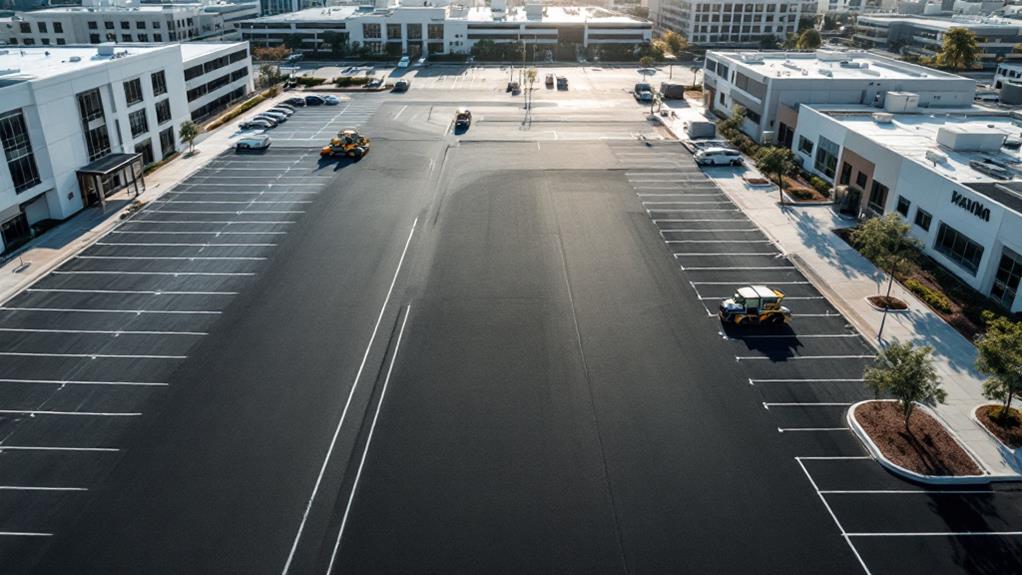
A pothole means the aggregate base course under the asphalt has washed out or crumbled. Filling a pothole without fixing the base will fail within months. First, we saw-cut a clean square around the damaged area using an asphalt cutting saw. Next, we remove the old broken asphalt and dig down to firm, stable subgrade soil. Then, we add fresh crushed aggregate base rock and compact it with a plate compactor. After that, we fill the opening with hot-mix asphalt patch material and compact it level with the surrounding pavement. Finally, we seal the cut edges with a thin tack coat to lock the new patch to the old pavement.
Cold Patch Asphalt for Urgent Repairs
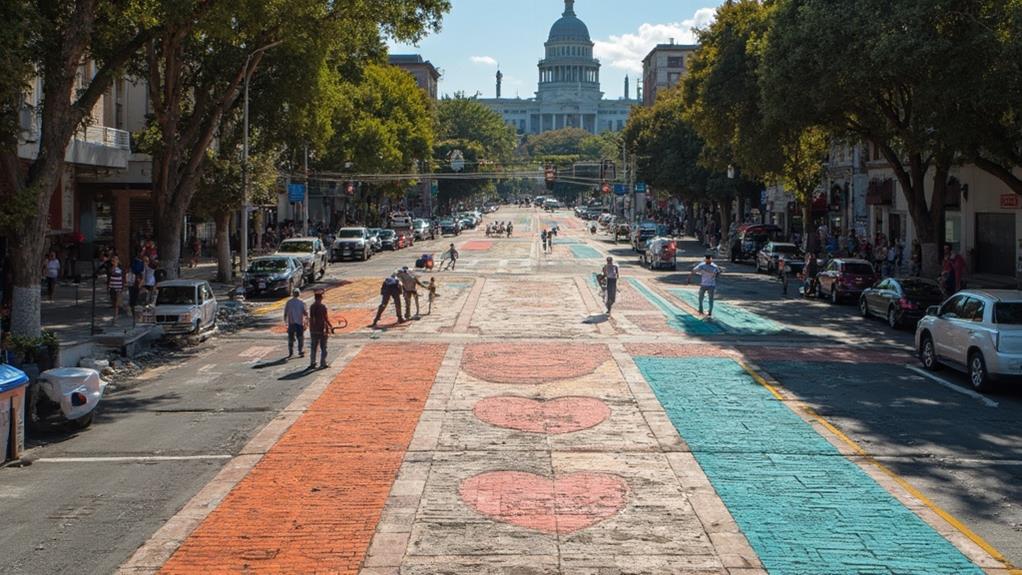
Sometimes a pothole needs to be fixed right away. We use cold patch asphalt for fast emergency repairs when weather conditions or project timing do not allow for a hot-mix patch. First, we sweep and dry the damaged area. Next, we pour the cold-mix asphalt directly into the hole. Then, we compact it with a hand tamper or plate compactor. This patch hardens under vehicle traffic over time. Also, it keeps water out and prevents the hole from growing until a permanent hot-mix repair can be scheduled.
Infrared Asphalt Thermal Repair
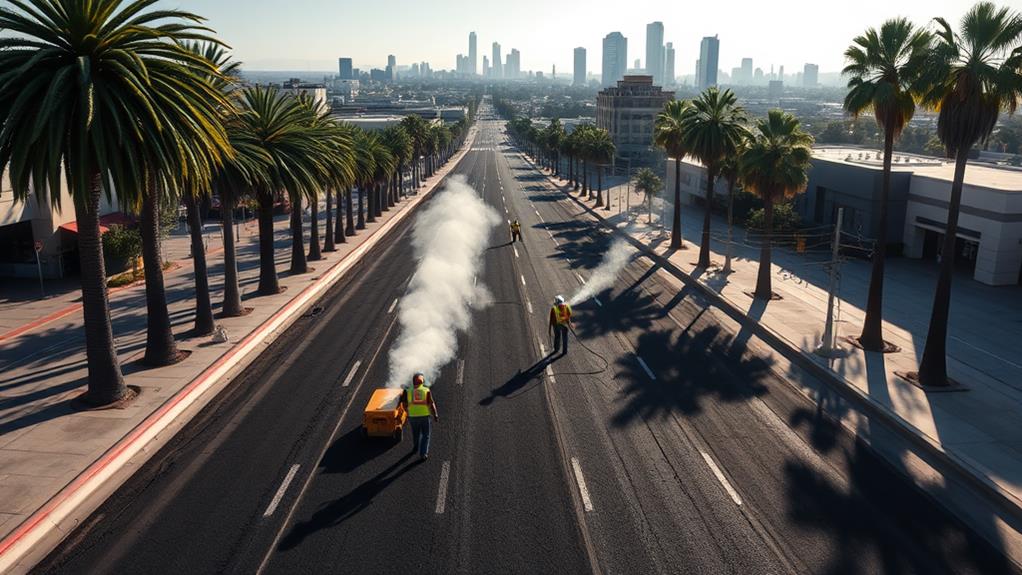
This is a long-lasting, seamless repair option. We use an infrared heating panel to soften the old damaged asphalt in place. First, we position the heater over the problem area and heat the asphalt surface layer for several minutes. Next, we rake the hot, soft material to fill low spots and remove any crumbled pieces. Then, we add fresh asphalt rejuvenator or new hot-mix asphalt and blend the two layers together. We compact the area flat with a roller. The result is a bond between old and new asphalt with no cold seam for water to enter.
Alligator Cracking and Base Failure Repair
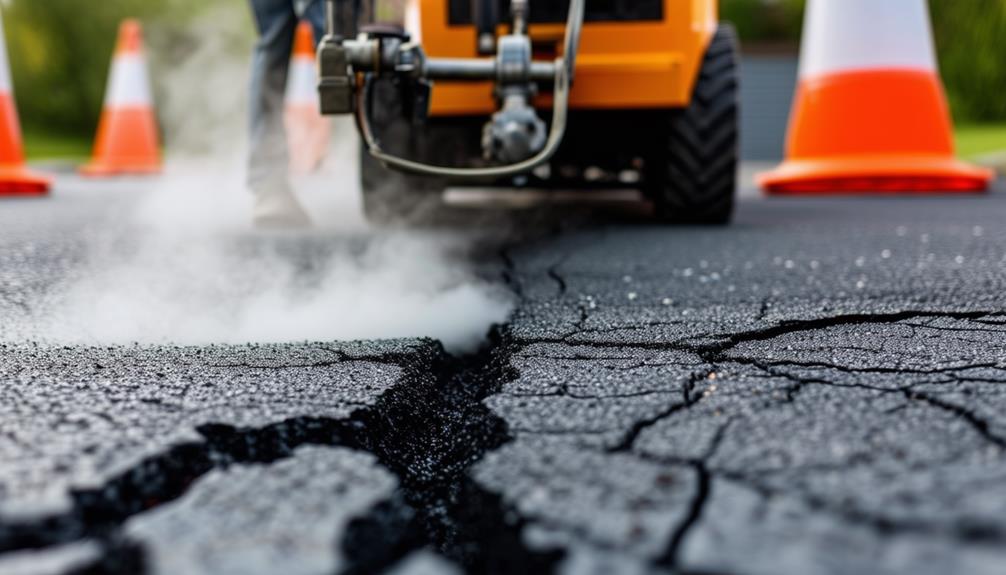
Alligator cracking looks like a pattern of interconnected cracks spread across the surface. It means the base layer below is failing, not just the top. Simple patching will not fix this. We remove the cracked asphalt section completely. Next, we excavate down to the compacted subgrade and replace any weak or washed-out sub-base rock. Then, we rebuild the section from the bottom up using a fresh aggregate base course, a binder course of asphalt, and a smooth surface course. This gives the repaired section the same structural strength as a brand-new pavement.
Preventative Maintenance Plans
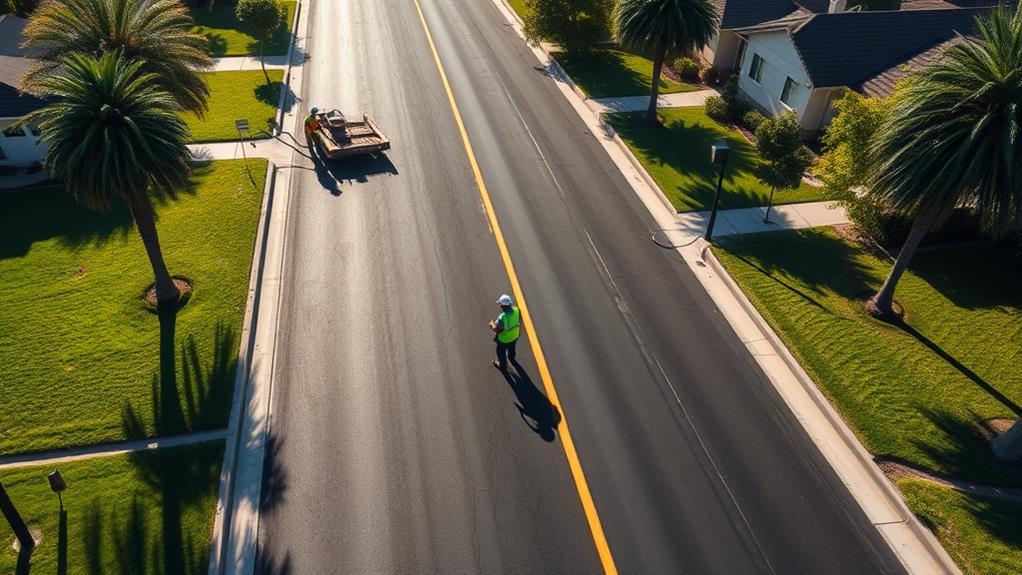
Minor pavement defects cost far less to fix than major structural failures. We schedule routine inspections to find problems early. First, we walk your entire pavement area once or twice a year and catalog every crack, soft spot, and drainage issue. Next, we fill minor cracks and apply a fresh asphalt emulsion sealer to slow surface wear. Also, we check pavement edge drainage and advise on any standing water problems that accelerate base damage. This maintenance plan can reduce your total repair spending by up to 30% over 10 years.
Our Asphalt Repair Process: Step by Step
Free Site Inspection
We walk your property and document every crack, pothole, and drainage concern. We also check for sub-base erosion and soft spots that may not yet be visible on the surface.
Damage Classification
We sort each problem by type. Surface cracks, edge crumbling, deep potholes, and base failures each require different repair methods and materials.
Area Preparation
We blow out all debris from cracks and damaged zones. Next, we clean oil spots and treat them to prevent bonding failures.
Saw-Cutting (For Patch Repairs)
For pothole and full-depth repairs, we cut clean vertical edges around the damaged area with an asphalt cutting saw. This prevents the edges from crumbling later.
Base Inspection and Rebuilding
We check the sub-base aggregate and compacted subgrade for weakness. Next, we add rock and compact the base before any asphalt goes in.
Asphalt Placement
We fill the repair zone with the correct asphalt material. This is either hot-mix asphalt, cold patch asphalt, or infrared-reclaimed asphalt, depending on the damage type and weather conditions.
Compaction and Leveling
We compact the fresh asphalt with a roller or plate compactor. This binds the material and leaves a flat, smooth surface that matches the surrounding pavement.
Edge Sealing and Clean-Up
We apply a crack sealant tack coat along every seam. Next, we sweep the work area clean and remove all waste material. Finally, we place traffic cones until the repair cools fully.